
"who sends"
2000 article(s) found

Difference between washing and tanning of Kenyan Coffee treated with Honey Coffee beans are washed in the Sun
The difference between washing and Solar Coffee in Kenya Coffee in Kenya is mostly grown at an altitude of 1500muri 2100 meters above sea level and is harvested twice a year. To ensure that only ripe berries are picked, people must tour the forest about seven times. Kenyan coffee is grown by small farmers. After they harvest the coffee, they first send the fresh coffee beans to the cooperative cleaning station.

Sunburn Yega Chuefei Ethiopia Ariga aricha factory African boutique coffee
Yega Xuefei is produced at the Kebel Aricha processing plant, where there are about 650,700 small coffee farmers who send ripe coffee berries here for processing in exchange for cash. After the treatment plant selects the available berries, they are directly exposed to the sun on the scaffolding and are turned every 2-3 hours in the first few days to prevent overfermentation. After four to six weeks of sun exposure, workers will look at the weather and temperature.

The post-80s "Miss Tree" opened a coffee shop just to pursue his dreams.
In Nanjing, two post-80s girls with very different personalities opened such a cafe in order to pursue their dreams. what is different is that it is not a cafe in the traditional sense, the first original picture postcard theme store in Nanjing.

Ethiopian Yega Ficher flavor Ethiopian sun Ye Gashefi aricha Ye
Yega Xuefei is produced in batches at the Kebel Aricha processing plant, where there are about 650,700 small coffee farmers who send ripe coffee berries here for processing in exchange for cash. After the treatment plant selects the available berries, they are directly exposed to the sun on the scaffolding and are turned every 2-3 hours in the first few days to prevent overfermentation. After four to six weeks of sun exposure, the workers will look at the weather
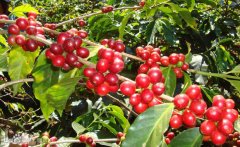
Yega Chefe Ethiopia Ariga arichaG1 Yega Chefe boutique coffee beans
Yega Xuefei is produced at the Kebel Aricha processing plant, where there are about 650,700 small coffee farmers who send ripe coffee berries here for processing in exchange for cash. After the treatment plant selects the available berries, they are directly exposed to the sun on the scaffolding and are turned every 2-3 hours in the first few days to prevent overfermentation. After four to six weeks of sun exposure, workers will look at the weather and temperature.

Raw bean sun aricha Ethiopia imports Yega Xuefei Ariga boutique coffee
Yega Xuefei is produced at the Kebel Aricha processing plant, where there are about 650,700 small coffee farmers who send ripe coffee berries here for processing in exchange for cash. After the treatment plant selects the available berries, they are directly exposed to the sun on the scaffolding and are turned every 2-3 hours in the first few days to prevent overfermentation. After four to six weeks of sun exposure, workers will look at the weather and temperature.

The Coffee Story in Vienna is filled with lattes and music.
Vienna was attacked by the Turkish army for the second time in 1683. The then Emperor Augustus I of Vienna had an offensive and defensive alliance with King Augustus II of Poland. As soon as the Poles heard the news, the Polish army would arrive quickly. But the question is, who will break through the siege of the Turks to send letters to the Poles? Kochsky, a Viennese who had traveled in Turkey, volunteered.
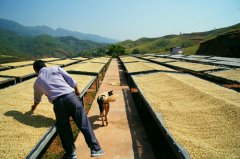
Ethiopian Yega Xuefei G1 aricha Coffee introduces Solar Fine Coffee beans Ethiopia
Yega Xuefei is produced at the Kebel Aricha processing plant, where there are about 650,700 small coffee farmers who send ripe coffee berries here for processing in exchange for cash. After the treatment plant selects the available berries, they are directly exposed to the sun on the scaffolding and are turned every 2-3 hours in the first few days to prevent overfermentation. After four to six weeks of sun exposure, workers will look at the weather and temperature.
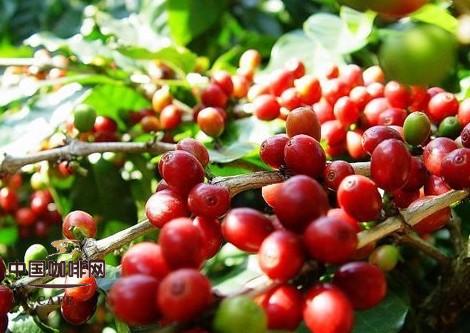
Ethiopian sun-dried yejafen aricha light fermented wine sweet tangerine flavor
Yega Xuefei is produced at the Kebel Aricha processing plant, where there are about 650,700 small coffee farmers who send ripe coffee berries here for processing in exchange for cash. After the treatment plant selects the available berries, they are directly exposed to the sun on the scaffolding and are turned every 2-3 hours in the first few days to prevent overfermentation. After four to six weeks of sun exposure, workers will look at the weather and temperature.

Kebel Aricha processing plant Ethiopia Eriga aricha G1 grade Yega snow coffee boutique
Yega Xuefei is produced at the Kebel Aricha processing plant, where there are about 650,700 small coffee farmers who send ripe coffee berries here for processing in exchange for cash. After the treatment plant selects the available berries, they are directly exposed to the sun on the scaffolding and are turned every 2-3 hours in the first few days to prevent overfermentation. After four to six weeks of sun exposure, workers will look at the weather and temperature.

The future sunrise industry in Yunnan: coffee symbolizes warmth.
In Jinma Square, five second-grade children also joined the ranks of volunteers, accompanied by their parents to send a warmth to Chuncheng. The parents of one of the children think: it is very meaningful to participate in such activities, they usually work hard, and they can very much appreciate the hardships and difficulties of outdoor workers who are still struggling in the front line of the holiday, and hope that their children will participate in such activities.

How much do you know about Kona coffee? how do you drink Hawaiian Kona coffee? Price of Kona coffee in Hawaii
Professional coffee knowledge exchange more coffee bean information please follow the coffee workshop (Wechat official account cafe_style) Hawaii Kona Coffee _ Hawaii Kona Coffee _ Hawaii Kona Coffee Price Origin: Hawaii producing area: Kona Manor: Green Well level: Extra Fancy treatment: water washing roasting: medium light roasting Hawaii Kona coffee

Introduction to the planting Environment of individual Coffee Fruit Coffee Flavor, taste and Price in Kenya
Kenyan coffee is mostly grown at an altitude of 1500m, 2100m, and is harvested twice a year. To ensure that only ripe berries are picked, people must tour the forest about seven times. Kenyan coffee is grown by small farmers. After they harvest the coffee, they first send the fresh coffee beans to the cooperative cleaning station, where the washed and dried coffee is covered with parchment beans.

Introduction to grinding scale of Kenyan coffee bean acidity flavor description method
Kenyan coffee bean acidity and flavor description method grinding scale taste introduction Kenyan coffee is mostly grown at an altitude of 1500 Murray 2100 meters and is harvested twice a year. To ensure that only ripe berries are picked, people must tour the forest about seven times. Kenyan coffee is grown by small farmers. After they harvest the coffee, they first send the fresh coffee beans to the cooperative cleaning station.

Ethiopian Sun Yega Chuefei boutique Coffee G1 Yega Snow Coffee aricha Coffee introduction Coffee
Yega Xuefei is produced at the Kebel Aricha processing plant, where there are about 650,700 small coffee farmers who send ripe coffee berries here for processing in exchange for cash. After the treatment plant selects the available berries, they are directly exposed to the sun on the scaffolding and are turned every 2-3 hours in the first few days to prevent overfermentation. After four to six weeks of sun exposure, workers will look at the weather and temperature.
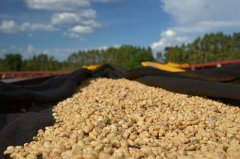
Asian beans Ethiopian sun aricha Yega snow coffee G1 sugar-free boutique black coffee
Yega Xuefei is produced at the Kebel Aricha processing plant, where there are about 650,700 small coffee farmers who send ripe coffee berries here for processing in exchange for cash. After the treatment plant selects the available berries, they are directly exposed to the sun on the scaffolding and are turned every 2-3 hours in the first few days to prevent overfermentation. After four to six weeks of sun exposure, workers will look at the weather and temperature.

Coffee lace-- how to play with milk foam
The main points are as follows, look at it carefully! 1, can send good milk foam: whether you can make high-quality milk foam, will to a large extent determine the quality of pull flowers, especially for friends who are just learning to pull flowers, when the foam is done, pull flowers will be half successful. Pull leaves are usually found in lattes (of course, this is not absolute), and for lattes, milk foam is

How much is the coffee per jin? Ethiopian sun aricha Yejia snow caffeine
This batch is produced at the KebelAricha processing plant, where there are about 650,700 small coffee farmers who send ripe coffee berries here for processing in exchange for cash. After the treatment plant selects the available berries, they are directly exposed to the sun on the scaffolding and are turned every 2-3 hours in the first few days to prevent overfermentation. After four to six weeks of sun exposure, the workers will look at the weather

Wechat Coffee Machine the most powerful Powder Absorber in the Terminal
At present, Wechat is the most convenient, fashionable and interactive marketing weapon in the marketing market. whether it is online publicity interaction or offline marketing payment, it brings broad business prospects to e-commerce, physical stores and so on. The latest news of the enterprise is spread among real and effective fans through message sending and moments, and at the same time interact with fans and gain a foothold through the official Wechat account.

The taste of Kenyan coffee is rich and perfect. Introduction to the characteristics of fine coffee in the manor area.
Kenyan coffee is mostly grown at an altitude of 1500m, 2100m, and is harvested twice a year. To ensure that only ripe berries are picked, people must tour the forest about seven times. Kenyan coffee is grown by small farmers. After they harvest the coffee, they first send the fresh coffee beans to the cooperative cleaning station, where the washed and dried coffee is covered with parchment beans.